Cracked teeth are fractures in the tooth structure that can affect the enamel, dentin, or pulp. They may appear as small surface lines or deep splits reaching the root. Common symptoms include pain while chewing, sensitivity to hot or cold, swelling of the gums, and discomfort that comes and goes. Some cracks cause no symptoms at first, which makes early detection difficult. Dentists diagnose cracked teeth using visual exams, bite tests, X-rays, light examination, and pulp testing. Treatment depends on the severity and may include monitoring, fillings, crowns, root canal therapy, or extraction in severe cases. Preventing cracked teeth involves avoiding hard foods, managing teeth grinding, maintaining good oral hygiene, and attending regular dental checkups. Early diagnosis and treatment are essential because untreated cracks can lead to infection, chronic pain, and tooth loss.
1. What is a cracked tooth?
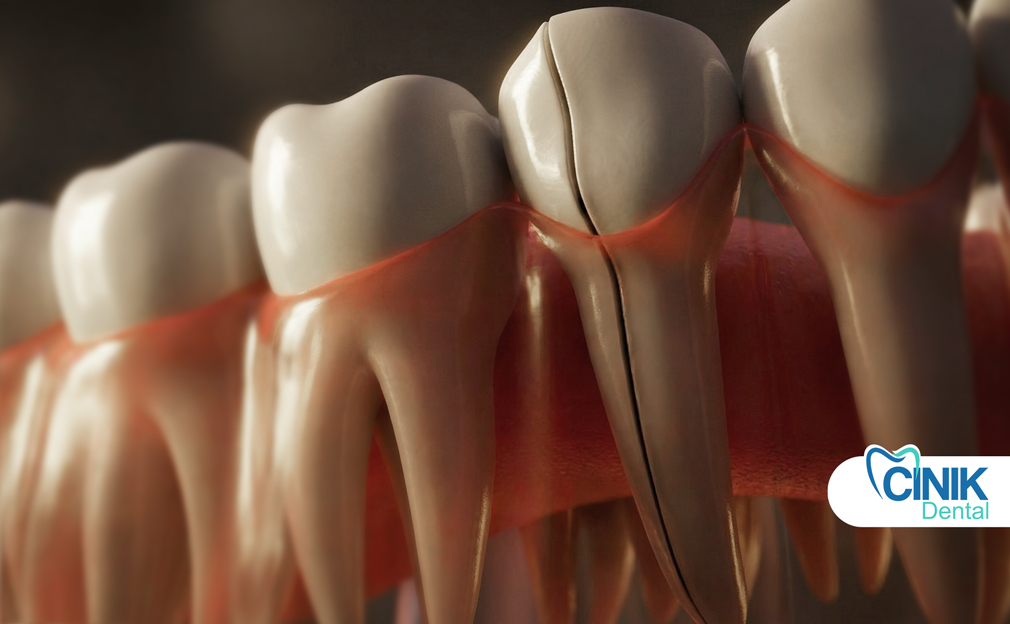
Quick Answer: A cracked tooth is a fracture in the tooth that develops over time and may affect the enamel, dentin, or pulp.
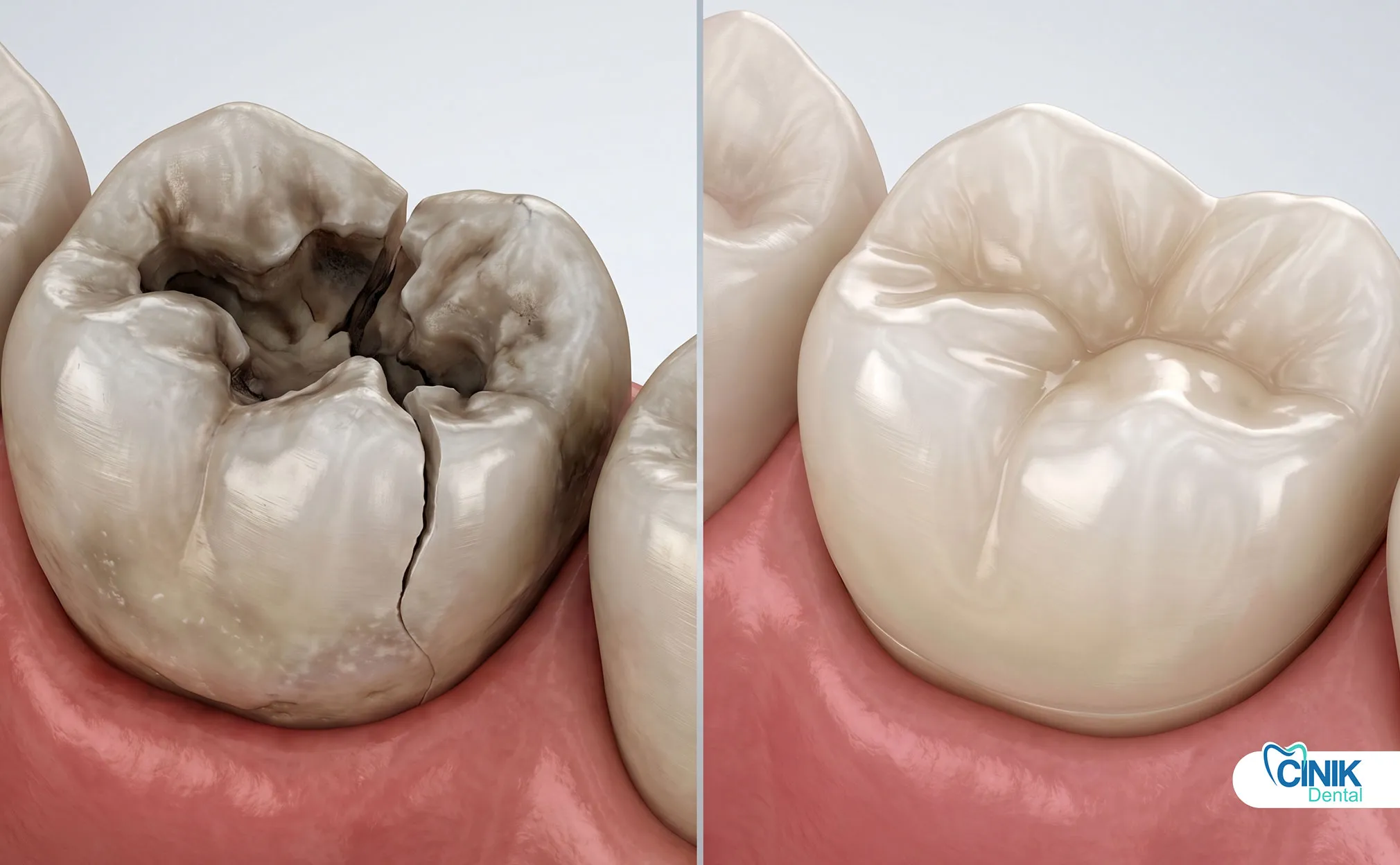
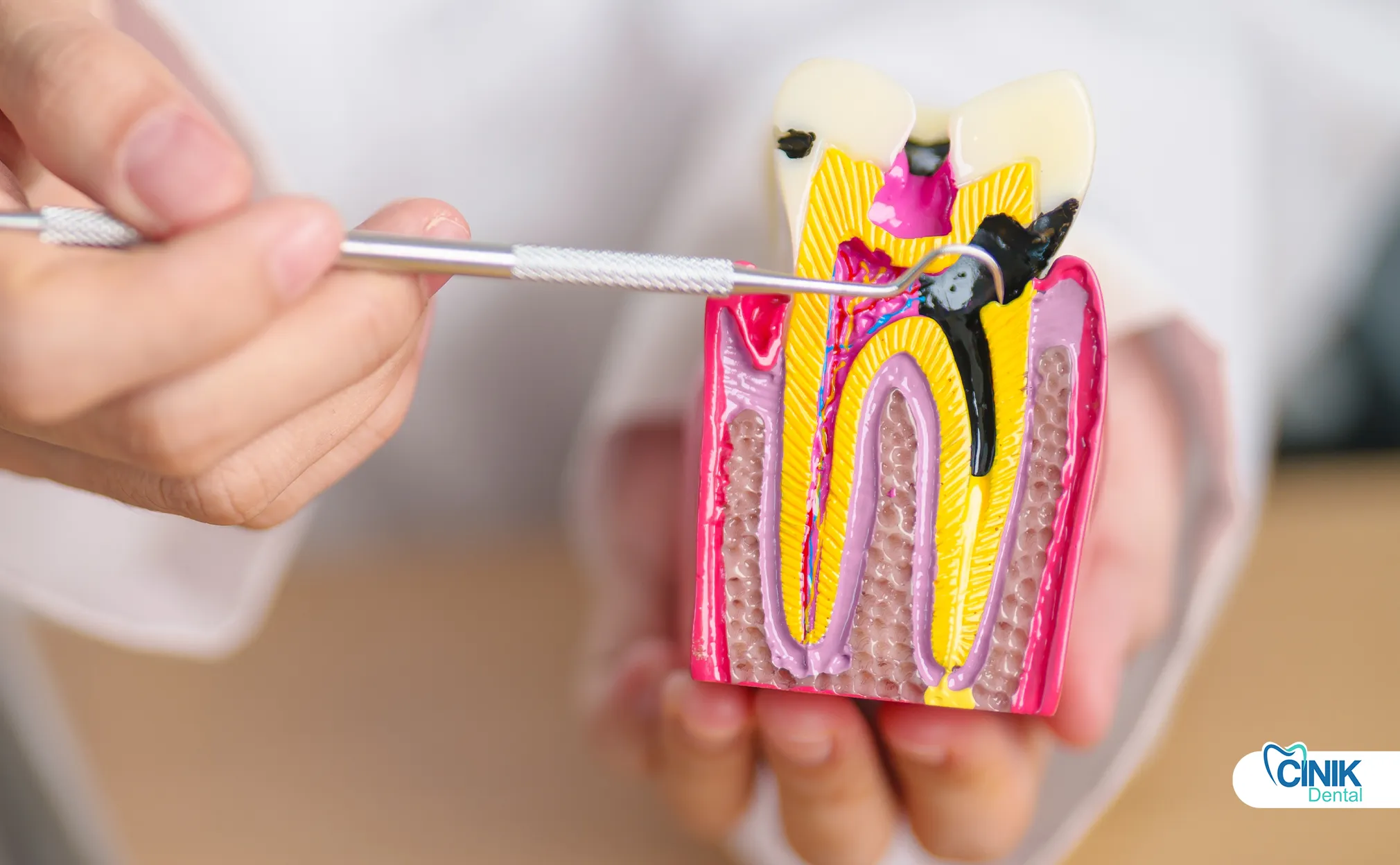
A cracked tooth is a fracture in the tooth structure. The crack can extend into the enamel, dentin, or tooth pulp. It may appear as a craze line, a simple fracture, or a split tooth.
Common types of cracked teeth include craze lines, cracked tooth, fractured cusp, split tooth, and vertical root fracture. Craze lines form on the enamel surface. A cracked tooth has an incomplete fracture extending from the crown toward the root, often involving a cusp. The fracture may not penetrate the pulp. A fractured cusp affects a tooth restoration or part of the enamel covering a cusp. A split tooth is a complete fracture extending from the crown to the root. A vertical root fracture is a fracture in the root.
Cracks are not the same as a broken tooth. A broken tooth loses one or more pieces in a sudden and traumatic event. Cracking begins as a gradual wear phenomenon in an otherwise intact tooth structure.
Cracked teeth are most common in adults aged 30–50, with an increasing incidence thereafter. The main contributors are age, bite forces, and the number of teeth retained. Vertical teeth play an essential role in supporting a static occlusal position and horizontal teeth in lateral excursions. Higher bite forces and longer working tooth areas lead to more frictional wear at the contact surface. These parameters differ by tooth type and adaptive teeth patterns.
Craze lines and cracks differ from cavities. A fracture does not involve lost tissue or caries and the exposed layer does not affect dentin. The lighter shade of a visible crack indicates a not lost structure. Cracks continue to form along the body areas or from the horizontal base into the root, rather than into the dentin deeper. (Zidane, 2022)
2. What are the symptoms and signs?
Quick Answer: Symptoms include chewing pain, temperature sensitivity, and sometimes swelling or a visible crack, though some cases show no early signs.
Patients with a cracked tooth may experience a confusing combination of symptoms. One of the first signs is often pain or discomfort while chewing (Zidane, 2022). Cracked teeth can also cause heightened sensitivity to hot or cold. Pain can come and go and may manifest as a sharp, stabbing sensation when biting down. A cracked tooth can create swelling of the gums or tenderness around the affected tooth. When the crack is visible, the tooth may appear to have a rough edge. In some cases a crack can be present but not cause pain initially.
With some types of cracks, no symptoms may occur (Vinayak Kalyan Chakravarthy et al., 2012). Symptoms can also begin to occur long after the fracture develops. Even if symptoms are not initially present, cracks should still be treated early.
3. When to see a dentist?
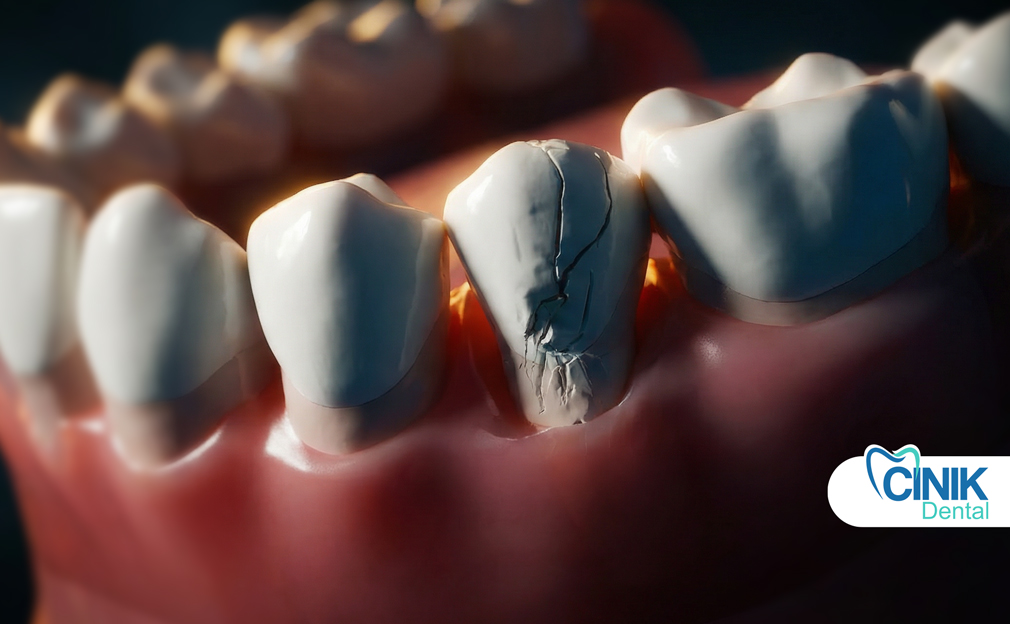
Quick Answer: See a dentist if you have a visible crack, pain, swelling, sensitivity, or bleeding. The dentist will examine the tooth and decide on treatment or monitoring.
A cracked tooth may be an emergency. See a dentist right away if you have a visible crack, pain that lingers or comes and goes, swelling, tenderness, sensitivity that seems to increase, or bleeding. Get help immediately if trauma to the mouth has caused bleeding that won’t stop, or if swelling is in the face rather than just around the tooth. Otherwise, the problem can probably wait for days or even longer. Crack treatment at most offices requires appointments too close together for follow-up care to occur.
Treating a cracked tooth begins with finding where, how, and why the crack is and has been there. Common tests include biting on a stick or other object, tapping the tooth on some solid material, gently increasing pressure from a special piece of equipment, taking X-rays, transilluminating the tooth with a light, and testing the nerve with hot or cold. The severity, history, and pattern of a crack, or sometimes the absence of any symptoms, can suggest the best management. Some cracks, even with no treatment, don’t seem to cause any trouble at all. Many cracks other than craze lines permit monitoring and delaying repair for months or years. (Vinayak Kalyan Chakravarthy et al., 2012)
4. How a dentist checks a cracked tooth
Quick Answer: Dentists check for cracked teeth using visual exams, bite and tapping tests, X-rays, light examination, and pulp sensitivity tests to locate the crack and assess damage.
Detecting a cracked tooth can be challenging because symptoms vary and some cracks cause no pain initially (Vinayak Kalyan Chakravarthy et al., 2012). An examination usually follows these steps:
1. Visual inspection. A dentist looks for visible cracks or rough edges and uses a probe to check for swelling, tenderness, or excess plaque in the gum area.
2. Bite test. A small stick or bite block is placed on the tooth, and the patient is asked to bite down. If this causes pain, the tooth may have a crack.
3. Tapping and percussion. The dentist gently taps the tooth or checks how it responds to finger pressure. Pain can indicate a crack.
4. X-rays. These may reveal if the crack extends below the tooth surface or if infection is present. However, conventional X-rays often cannot detect cracks limited to the enamel or dentin (Zidane, 2022).
5. Transillumination. A bright light source shone through the tooth. A crack often appears as a dark line and may be easier to see if moisture is present.
6. Pulp testing. If the dentist suspects the pulp may be damaged, they may test it using heat, cold, or an electric stimulus.
5. What are the treatment options?
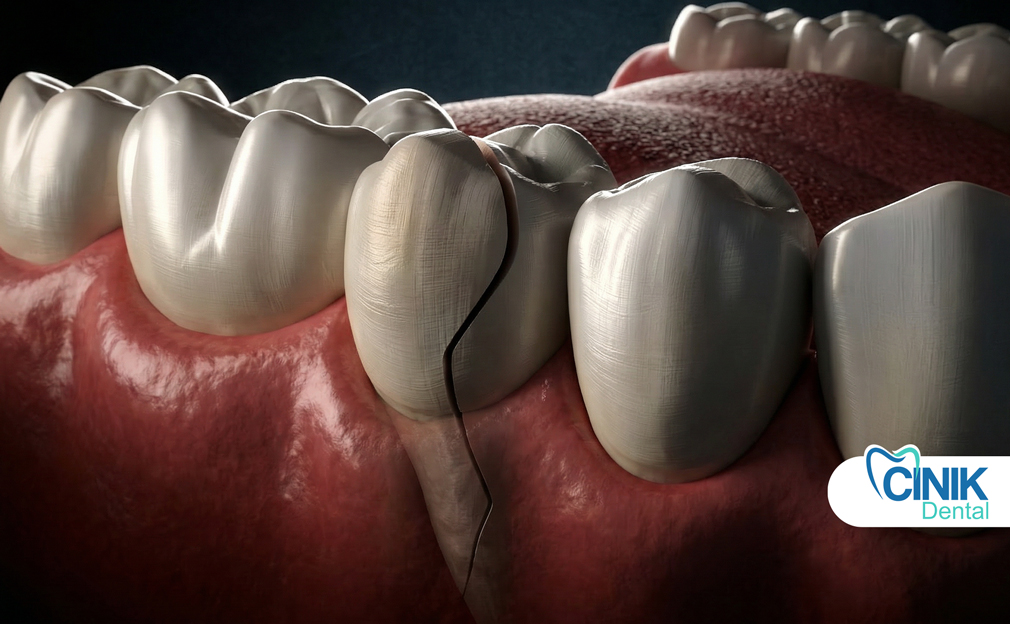
Quick Answer: Treatment may include monitoring, fillings, crowns, root canal therapy, or extraction depending on the severity of the crack.
Contemporary dentistry offers different options to handle cracks based on their type and severity. These options include monitoring, bonding or fillings, crowns, root canal treatment, tooth extraction, and emergency care for infection. The primary goal is to alleviate pain and conserve the tooth.
A dentist may suggest merely observing some cracks that are small, stable, asymptomatic, and not expected to progress. Other cracks remain asymptomatic, yet more thorough interventions have been proposed. When these cracks do evoke pain, so-called definitive treatments are warranted to alleviate discomfort and save the tooth.
6. What are the prevention tips?
Quick Answer: Prevention includes avoiding hard foods and objects, managing teeth grinding, maintaining good oral hygiene, attending regular dental checkups, and limiting foods that cause decay.
Cracked teeth are irreversible defects of dental hard tissues that occur as the result of mechanical stress. Several preventive measures have been proposed to limit or reduce the incidence of cracked teeth (Li et al., 2021). To this end, the following advice is provided. Avoid biting hard objects, such as nuts, hard candies, ice or pencils. Since tooth enamel is approximately 5 times more mineralized than bone, it is unlikely that behaviour modification, mouthguards or other preventive measures employed to control bruxism will totally eliminate bruxism (Zidane, 2022). Individuals with bruxism should work with their dentist or physician to identify and manage underlying causes. Good oral hygiene and regular professional oral examinations limit events leading to the further development of cracks or fractures. Controlling dietary habits and avoiding foods that contribute to decay is especially important because carious lesions developing around existing cracks or defects on tooth surfaces at risk of fracture may lead to the loss of both crack diagnosis and valuable tooth structure.
7. Conclusion
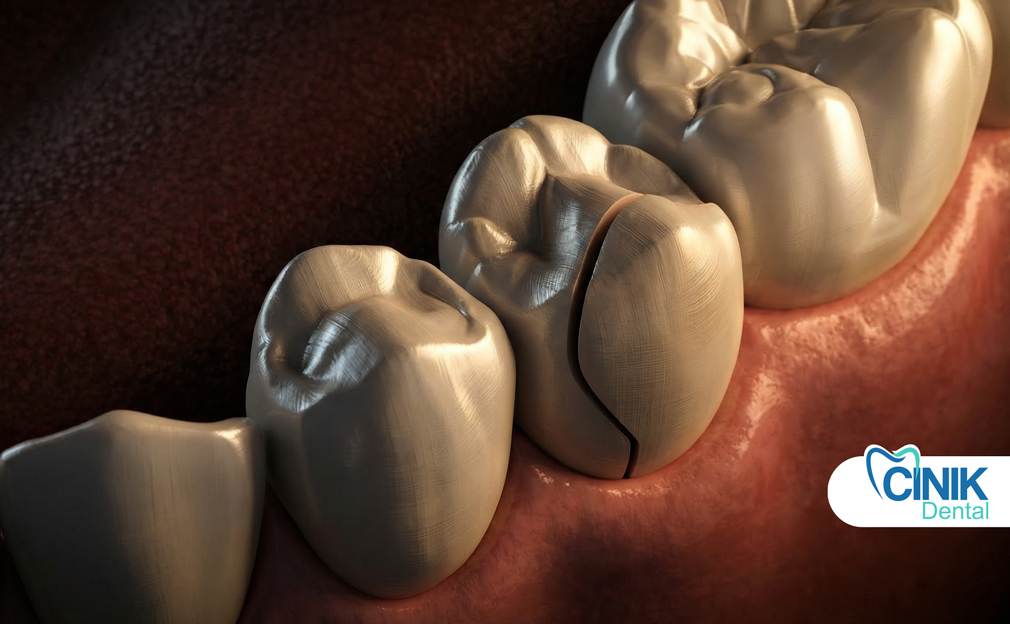
Teeth cracking has been a significant health problem in the dental field. Cracked teeth persist to be a significant concern among dental practitioners owing to the issues it can incur in maintaining oral health and functional purpose. The term “cracked tooth” indicates a number of dental anomalies occurring from the enamel to the dentin and possibly the pulp. Teeth crack for different reasons: it is frequently associated with large restorations. However, other reasons like bruxing habits, bites with high occlusion, restorations in teeth or trauma to anterior teeth can lead to cracks. Various types of cracked teeth exist, craze lines, cracked tooth, fractured cusp, split tooth and vertical root fracture. These cracks and their formations have been associated with occlusal force generation inside the oral cavity and can lead up to chronic pain and in some cases, loss of the teeth (Vinayak Kalyan Chakravarthy et al., 2012).
The presence of cracked teeth has reported any discomfort being felt while chewing the food (Zidane, 2022). A cracked tooth must be treated at the earliest since they can lead to the occurrence of future pathologies. All patients who are suffering from cracked teeth must seek immediate assistance from dental professionals who are updated on the modern advanced techniques and methods of treatment to tackle such issues like the propagation of cracks and cavities and provide patients with their respective remedies. It must be emphasized that patients must rapidly seek professional help and not ignore any symptoms of cracked teeth, as they can create future oral health issues.
References:
Zidane, B. "Recent Advances in the Diagnosis of Enamel Cracks: A Narrative Review." 2022. ncbi.nlm.nih.gov
Vinayak Kalyan Chakravarthy, P., Ajay Telang, L., Nerali, J., and Telang, A. "Cracked Tooth: A Report of Two Cases and Role of Cone Beam Computed Tomography in Diagnosis." 2012. ncbi.nlm.nih.gov
Li, F., Diao, Y., Wang, J., Hou, X., Qiao, S., Kong, J., Sun, Y., Lee, E. S., and Bo Jiang, H. "Review of Cracked Tooth Syndrome: Etiology, Diagnosis, Management, and Prevention." 2021. ncbi.nlm.nih.gov