What is Porcelain Dental?
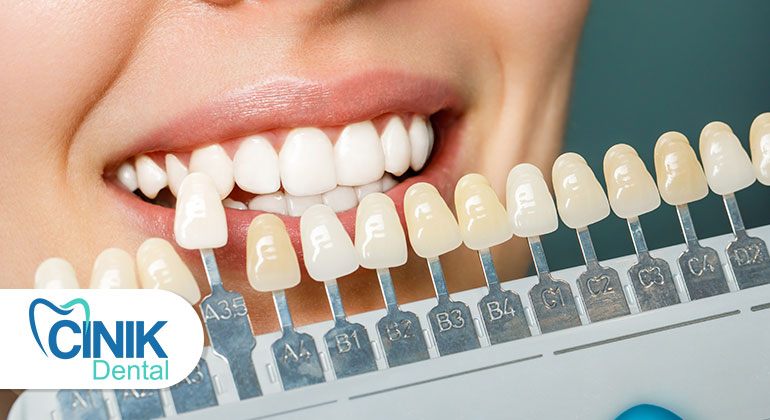
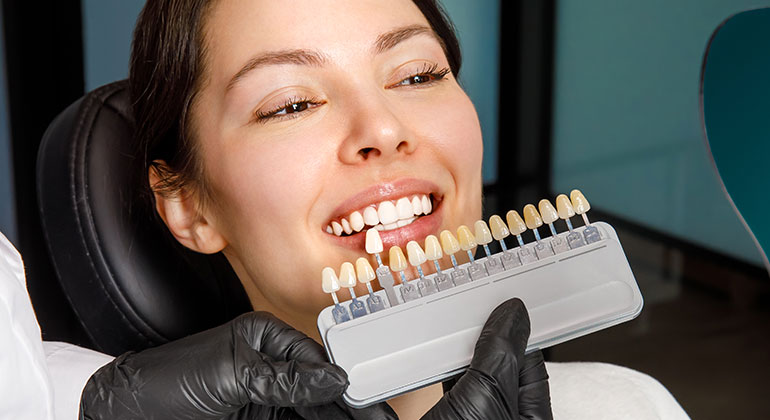
In the world of dentistry, porcelain stands out as a go-to material. Dental pros often turn to it when crafting things like crowns, bridges, and veneers. Why? Well, not only does it mimic the natural look of teeth beautifully, but it's also kind to our bodies, doesn't dissolve easily, and is impressively tough—ranking a 7 out of 10 on the Mohs hardness scale. It's truly a blend of art and science in one.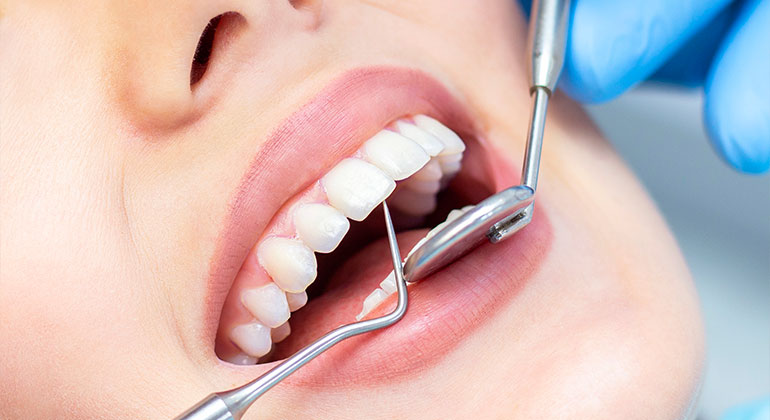
How are Porcelain Veneers Applied?
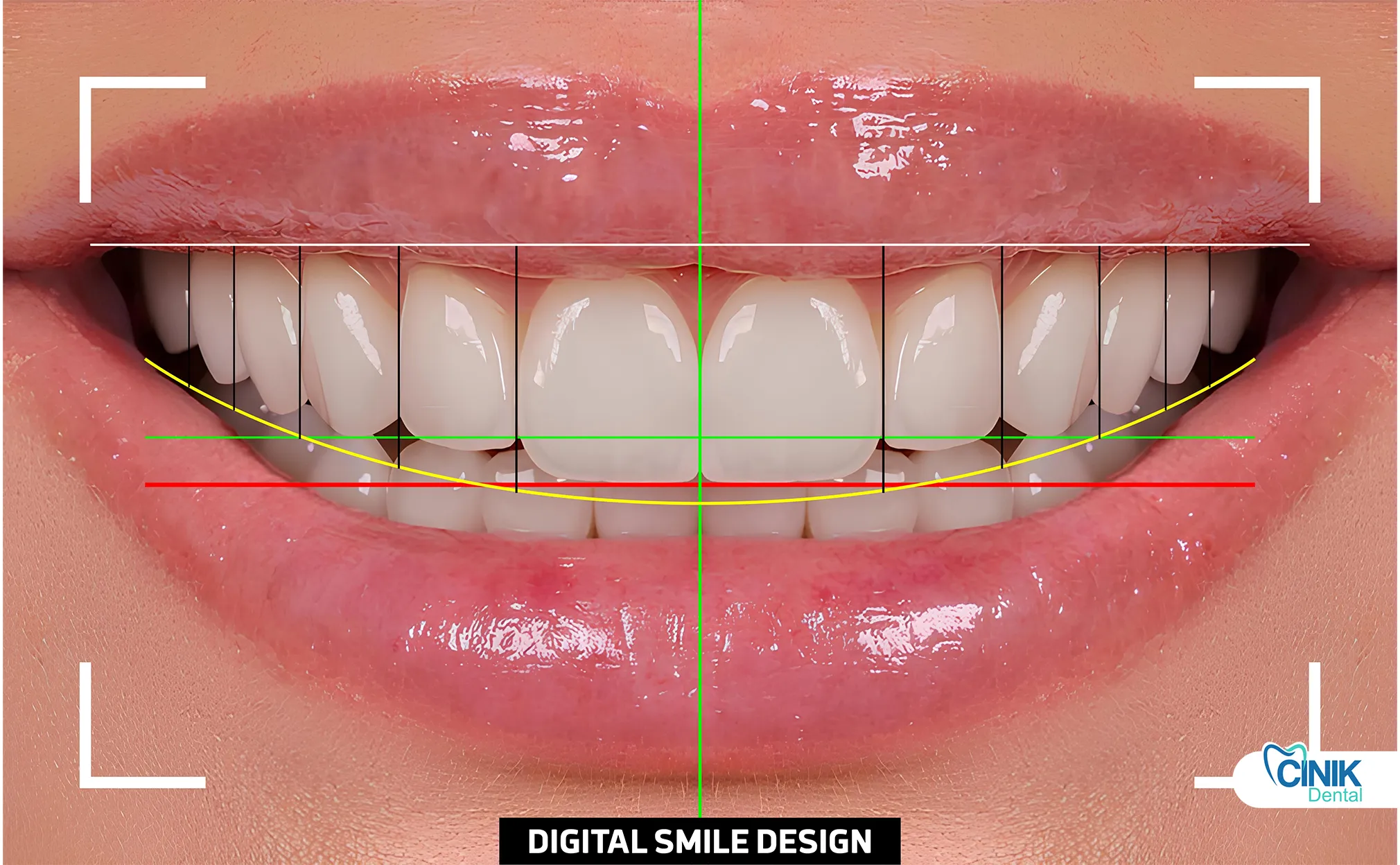
Porcelain veneers are tailor-made, slender coverings fixed to the front of your teeth. They offer a less invasive alternative to crowns or implants for enhancing tooth appearance. Getting porcelain veneers typically involves three dentist visits: an initial consultation and two subsequent veneer fabrication and attachment sessions. During preparation, your dentist adjusts the tooth's surface, roughly equivalent to the veneer's thickness. After this, they take a tooth mold or impression, which is then sent to a specialized dental lab to craft your veneer. When the veneer is set, your dentist secures it onto your adjusted tooth. People often ask, "What are the advantages of porcelain veneers?" Let's look closer with detail.
What are the Advantages of Porcelain Veneers?
Porcelain veneers offer numerous benefits. They mimic a natural tooth look and resist staining. Their color can be tailored to brighten darker teeth. Compared to crowns, they need minimal shaping but still boast superior strength and aesthetics. With proper maintenance, porcelain veneers can remain intact for over a decade. Despite their thin composition, they resist chipping and can endure extensive daily use.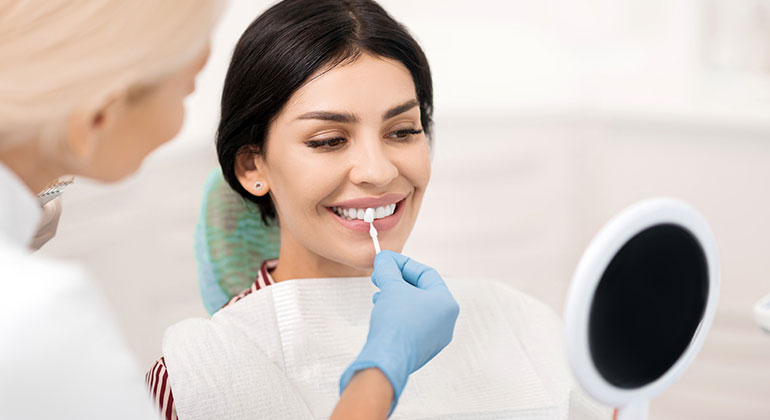
Are Porcelain Veneers Durable?
Certainly, porcelain veneers stand out for their longevity. With appropriate care, they can serve you well for a decade or even more. Despite their slender construction, these veneers resist breakage and endure routine stresses effortlessly. Porcelain, often employed by dental experts to craft realistic dental solutions like crowns, bridges, and veneers, is known for its biocompatibility, aesthetics, and resilience. Notably, it boasts a hardness of 7 on the Mohs scale. In places like Turkey, high-quality porcelain veneers are available at competitive prices. Cinik Dental in Turkey, for instance, is renowned for offering these among its array of dental services.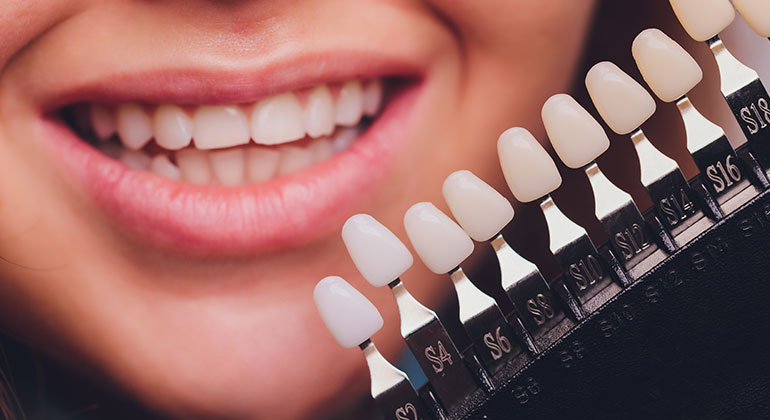
Differences Between Porcelain Laminae and Veneers
The world of dental aesthetics is rich and varied. Two popular choices in the realm of dental restoration are porcelain laminae and veneers. Laminate Veneer: Also known as porcelain laminae, these are thin shells custom-made to fit the front surface of a tooth. Primarily used for cosmetic purposes, they enhance the appearance by altering the color, shape, size, or length. A notable feature is their durability and resistance to stains. Veneers: These are broader categories encompassing various types like:- Traditional veneers: Require removal of a small amount of the tooth's surface to fit.
- No-prep veneers: Need minimal tooth alteration.
- Lumineers: Ultra-thin and highly translucent, offering a natural tooth appearance.
- Palatal veneers: Designed for the inner side of teeth.
Dental Restoration Materials and Techniques
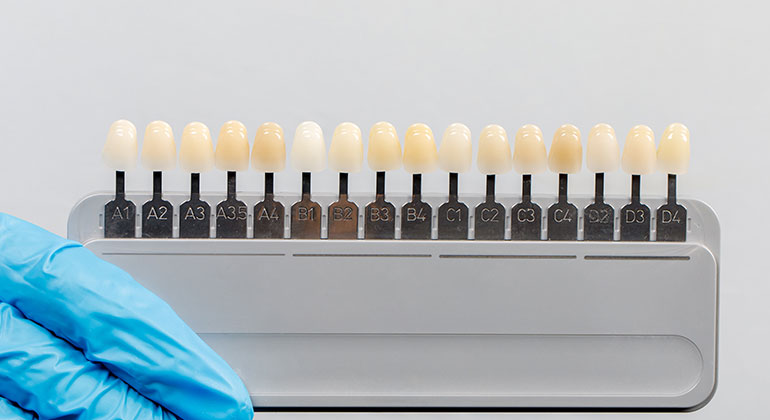
Materials: The choice of material can significantly influence the appearance and longevity of the restoration.- Porcelain: Known for its translucency and color-matching capabilities.
- Composite Resin: Versatile and less expensive than porcelain but might stain over time.
- Nanoceramics: Offering excellent strength and aesthetics.
- Zirconia: Extremely durable and can be color-matched to existing teeth.
- Photopolymerization: A process used with some materials for setting.
- Tooth Preparation: Essential for traditional veneers, where a thin layer of the tooth surface is removed.
- Impressions: Captures the exact shape of your teeth for creating the restoration.
- Dental Cement & Bonding: Used to securely affix the veneer to the tooth.
- Light-curing: Helps in setting certain materials.
Dental Health, Maintenance, and Challenges
Regular maintenance ensures longevity for your dental restorations. This includes:- Plaque Control: Using dental floss and mouthwash to prevent buildup.
- Toothbrush: Opt for non-abrasive brushes to avoid wear.
- Dental Issues: Like tooth sensitivity, gum recession, tooth decay, and bruxism (teeth grinding) can impact the success and lifespan of dental restorations.