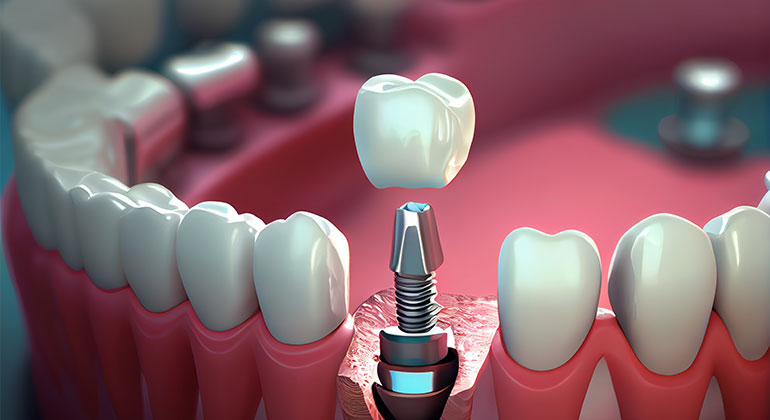
Dental implants: What Are They?
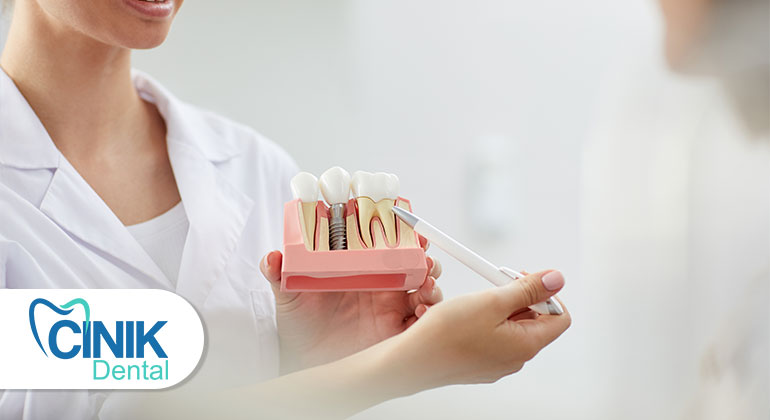
Dental implants are biocompatible titanium artificial tooth roots that are surgically inserted into the mandible to replace lost teeth. By a process known as osseointegration, implants, as opposed to conventional dentures or bridges, fuse directly with the bone, providing a stable and long-lasting base for replacement teeth. Implants prevent bone loss and preserve face shape by offering stability similar to that of natural tooth roots once they have completely bonded with the bone. They provide a practical and aesthetically beautiful remedy for tooth loss by supporting individual crowns, bridges, or even full-arch restorations.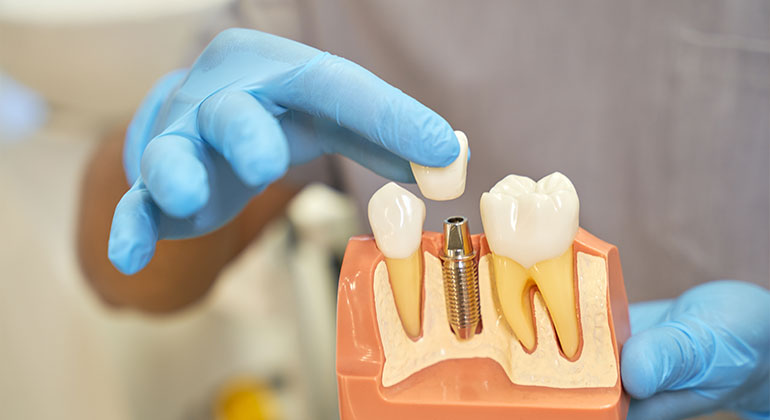
Who Is Dental Implant Treatment Suitable For?
When a person is 18 years of age or older and their jaw and facial structure are fully formed, dental implants are the best option. Prior to treatment, a comprehensive examination that includes bone density measurements and X-rays establishes whether the jawbone is strong and has enough volume to sustain an implant. For people who are looking for a secure, long-term solution who have lost one or more teeth as a result of disease, decay, or trauma, this procedure is advised. Candidates should be free of diseases such uncontrolled diabetes or severe gum disease, which might impede recovery, as well as have healthy gums and sufficient bone structure.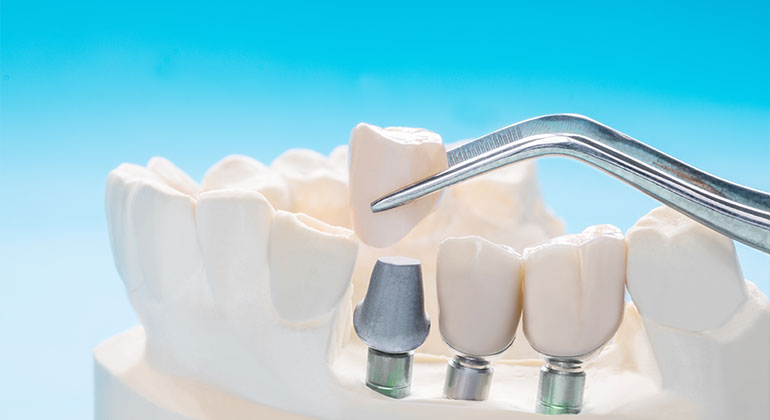
Long-Term Outcomes and Post-Implant Care
For dental implants to remain effective, long-lasting, and aesthetically pleasing, proper post-implant care is essential. Gum disease and infections can be avoided with good dental hygiene, which includes brushing, flossing, and using antimicrobial mouthwash on a daily basis. Regular dental examinations guarantee long-term success by enabling the early identification of possible issues. Despite the nearly 95% success rate of dental implants, infections, gum recession, and, in rare instances, nerve issues might result from things like smoking, poor oral hygiene, or underlying medical conditions. However, with appropriate aftercare and treatment at respectable clinics, where cutting-edge technology and knowledgeable supervision improve results, these dangers are greatly decreased. Turkey has become well-known throughout the world for providing dental implant treatments that are both high-quality and reasonably priced. It is a great option for people looking for dependable and reasonably priced dental care because of its cutting-edge facilities, knowledgeable staff, and contemporary methods, which provide patients with top-notch care at low costs.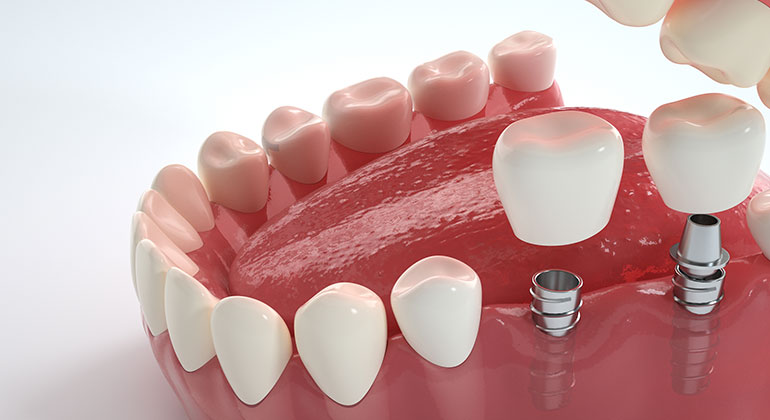
Key Considerations in Dental Implant Treatment
Despite the fact that dental implants have revolutionized restorative dentistry, a number of important considerations are frequently missed.- Osseointegration Variability: Depending on a person's health, bone density, and capacity for healing, the implant's fusion with the jawbone can vary. Individuals with weakened immune systems or osteoporosis might need more attention.
- Zirconia vs. Titanium: Although titanium implants are common, zirconia implants are becoming a more biocompatible and aesthetically pleasing metal-free choice for people with allergies or sensitivities.
- Bone Preservation: By promoting bone growth, implants help preserve the integrity of the jawbone and stop the resorption that occurs frequently when teeth fall out.
- More Than Just Tooth Replacement: Implants stabilize dentures and bridges in addition to replacing lost teeth, enhancing bite function overall.
- Factors affecting longevity: Although implants are promoted as a long-term fix, good oral hygiene, routine dental checkups, and lifestyle choices like smoking and teeth grinding all affect how long they last.
- Multi-Stage Process: Implant installation calls for several appointments spread out over several months and includes several steps, like as extractions, bone grafting (if necessary), surgical implant placement, and crown attachment.
- Customized Treatment Plans: To provide the greatest outcomes, clinics such as Cinik Dental customize implant procedures to meet the needs of each patient.
- Cost Variability: The cost is determined on the type of implant, the intricacy of the technique, and further procedures like sinus lifts or bone grafting.
- Advanced Planning: By improving implant placement accuracy, technologies such as 3D CT imaging shorten recovery times and lower surgical risks.
- Possibility of Rejection: While uncommon, infections, inadequate bone support, or lifestyle choices like smoking can cause certain implants to fail to integrate, necessitating removal and possible retries.
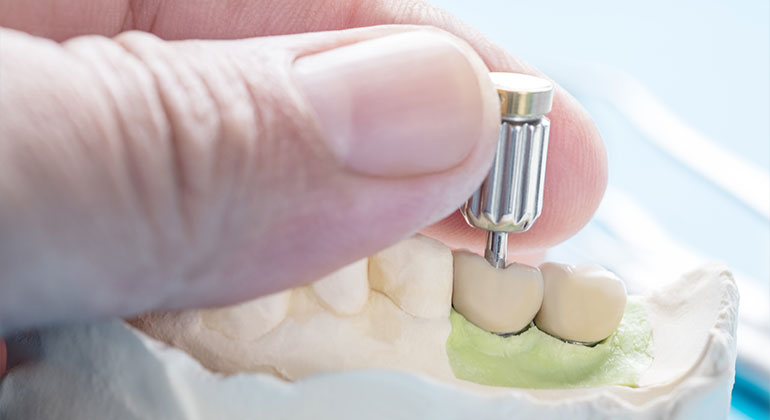
Dental Implants' Safety and Dangers
With a success record of over 95%, dental implants are among the safest and most efficient tooth replacement options. Reliability and durability are guaranteed by their extensive use in dentistry as well as improvements in materials and surgical methods. To optimize patient safety and long-term success, reputable clinics employ cutting-edge technology and adhere to stringent medical regulations. Even though implants are usually safe, there are several hazards that can be reduced with good preparation and appropriate aftercare:- There is a slight chance of infection at the implant site, however this risk is greatly reduced by practicing proper dental hygiene and according to post-operative care guidelines.
- Nerve Damage: An implant may result in short-term or long-term numbness, tingling, or irritation if it is positioned too near a nerve. Selecting a skilled expert reduces this difficulty and guarantees accurate placement.
- Sinus Complications: Proper placement of implants in the upper jaw is essential to prevent interference with the sinus cavity. A sinus lift treatment can provide enough bone support for implant stability if it's required.
The Benefits of Dental Implants Over Natural Teeth
Durability & Stability
Dental implants are made to last a long time. They become a permanent component of the mouth after osseointegration, the process by which they merge with the jawbone. Implants last for decades, and with the right maintenance, they can last a lifetime, in contrast to natural teeth, which are prone to decay, fractures, and wear with time. Because of this, they are a more dependable option than other dental restorations like dentures or bridges, which may eventually require replacement
Function & Beauty
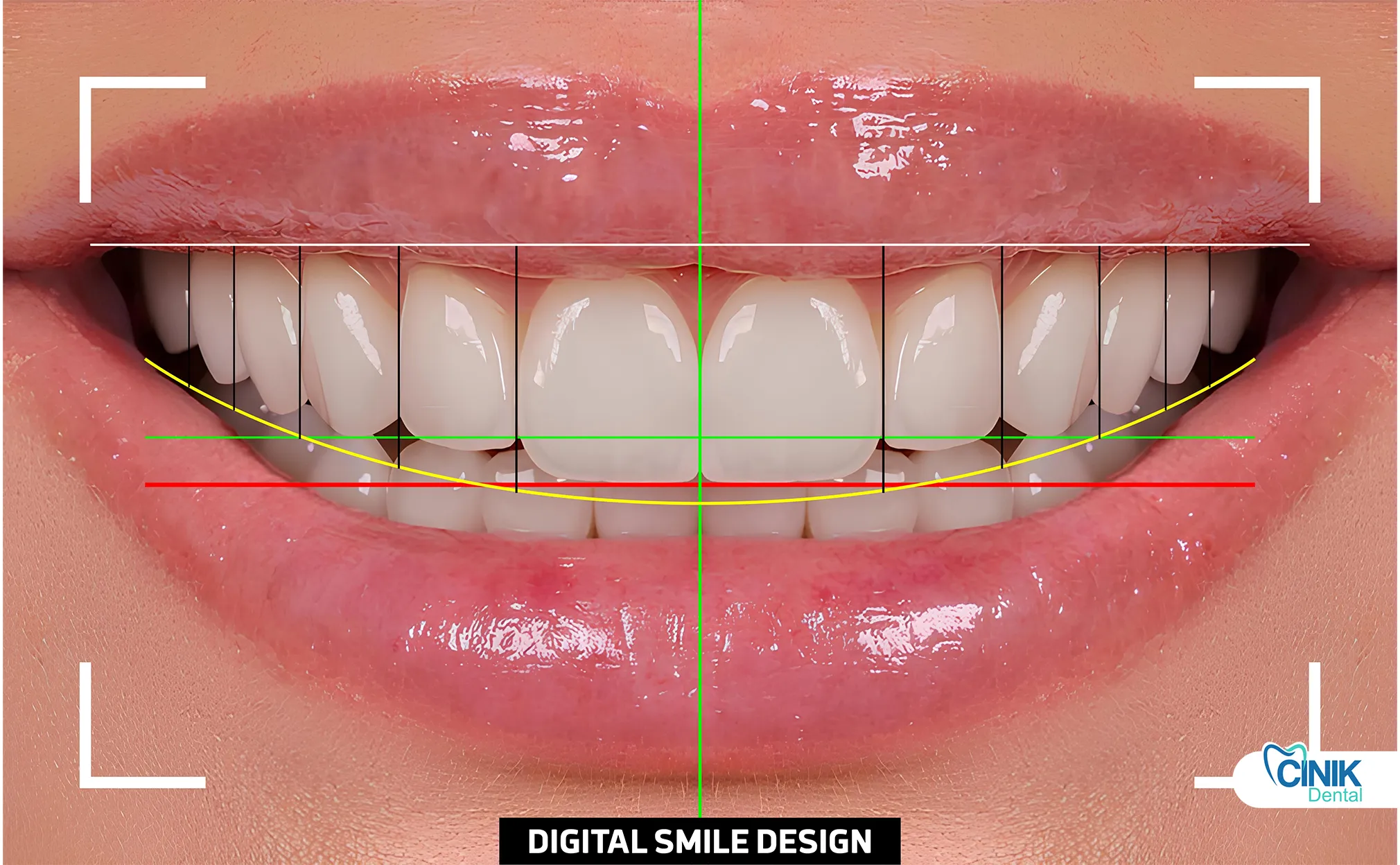
The natural appearance and feel of dental implants is one of its main benefits. They are nearly indistinguishable from natural teeth when they are crowned with high-quality materials like zirconia or ceramic crowns. In addition to improving appearance, they fully restore chewing ability, enabling patients to eat without discomfort or dietary limitations. In contrast to conventional dentures, which may move or make biting challenging, implants offer a solid, secure bite that closely resembles the strength of actual teeth.
Preservation of Jawbones
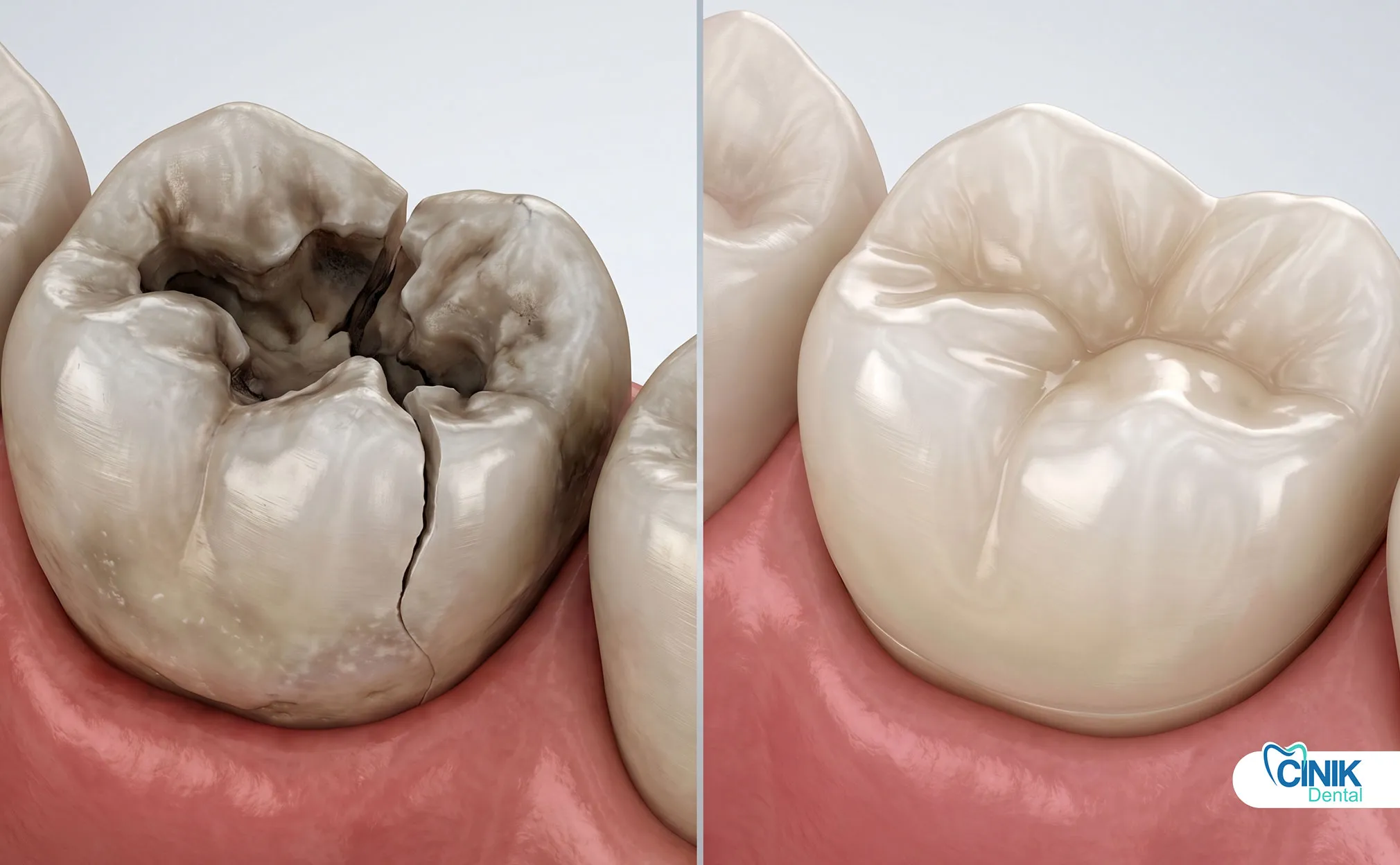
When teeth fall out, the jawbone weakens and shrinks because the tooth roots aren't stimulating it as much. This condition is known as bone resorption. Over time, this degradation may alter the structure of the face, giving the appearance of a sunken face. Dental implants stimulate the jawbone and stop bone loss by functioning similarly to natural tooth roots. This keeps the jaw strong and maintains the general beauty of the face.
Dental Health and Upkeep
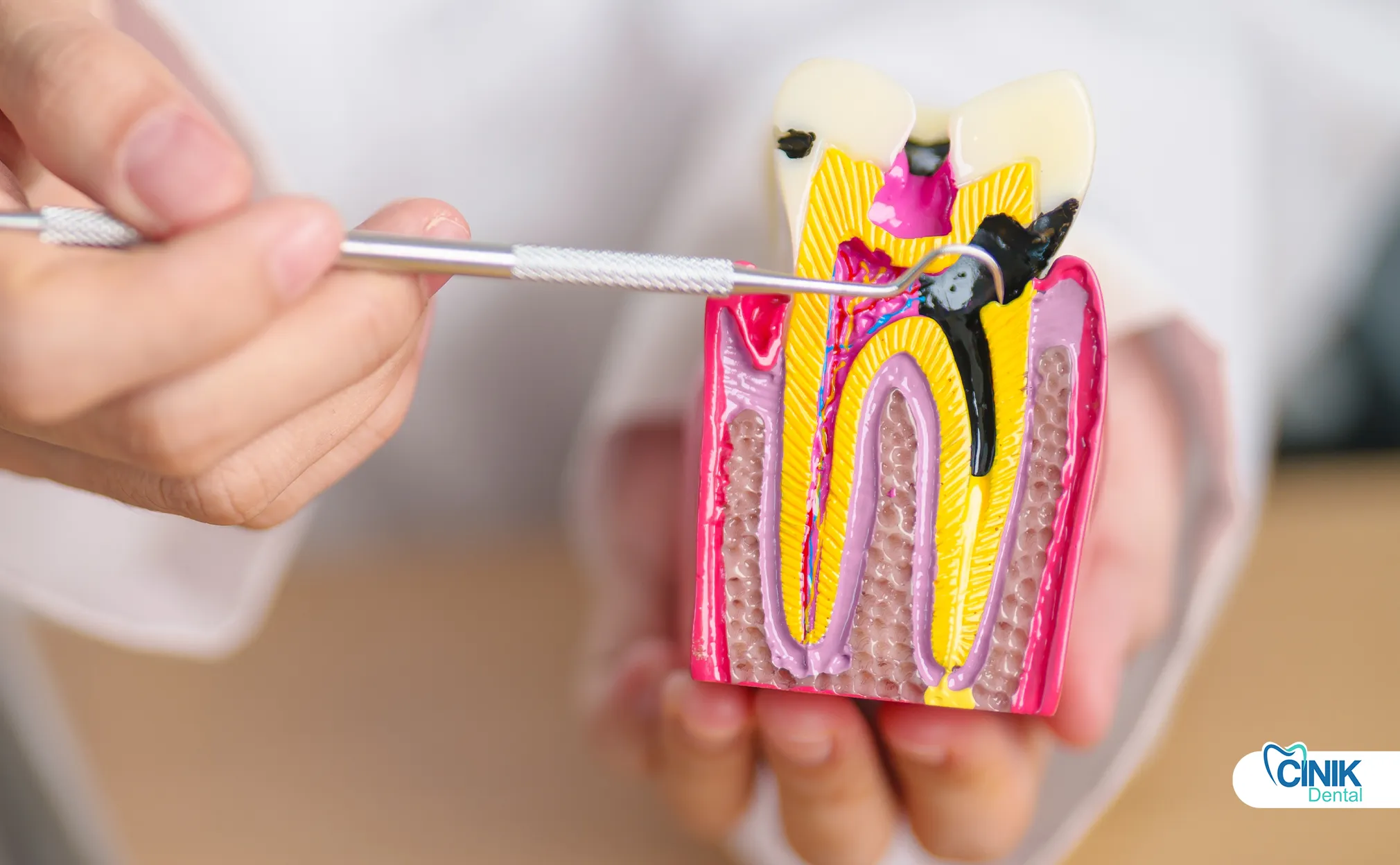
Compared to dentures or bridges, dental implants promote improved oral hygiene. They maintain their natural shape since they can stand alone without the need for adjustments to nearby teeth. Implants are simpler to clean and maintain than bridges, which depend on neighboring teeth for support, or dentures, which can harbor bacteria. This ensures a better long-term solution by lowering the risk of cavities, gum disease, and other oral health problems.
Adaptable Solutions for Various Requirements
Flexible options catered to individual needs are provided by dental implants. Stability and longevity are offered by implant-supported crowns and bridges for individuals seeking a permanent, non-removable treatment. Implant-supported dentures, on the other hand, provide a safe and cozy substitute for conventional dentures for patients looking for a detachable solution. Because of their adaptability, implants can be made to fit a variety of patient preferences and dental circumstances.
Thinking about getting dental implants? Important Things to Know
Implant Surgery & Recovery
Although implant surgery is a common treatment, a smooth recovery can be ensured by being aware of the steps involved. A titanium post is inserted into the jawbone during the surgery, and it will integrate over a few months. After surgery, mild edema and discomfort are common but go away in a week. Long-term success depends on adhering to recommended implant maintenance, which includes regular checkups and appropriate dental hygiene. Cinik Dental ensures a smooth transition from extraction to full implant function by providing patients with clear post-surgery care recommendations.
Selecting the Appropriate Clinic
Choosing a trustworthy facility is crucial to the success of implant therapy. With dental implant clinics like ours providing cutting-edge operations at affordable prices, Turkey is a top destination. Evaluation of bone density, conversations regarding possible implant rejection, and individualized treatment planning should all be part of a comprehensive consultation. To guarantee appropriate osseointegration, skilled practitioners employ exacting methods, reducing hazards and increasing longevity.
Cost Factors
Implant material, surgical complexity, and clinic location are some of the variables that affect dental implant costs. Without sacrificing quality, Turkey provides excellent implant procedures at far lower costs than many Western nations. Turkey is a desirable alternative for reasonably priced yet superior dental care since patients may get top-notch treatment, cutting-edge equipment, and skilled professionals at a fraction of the price.
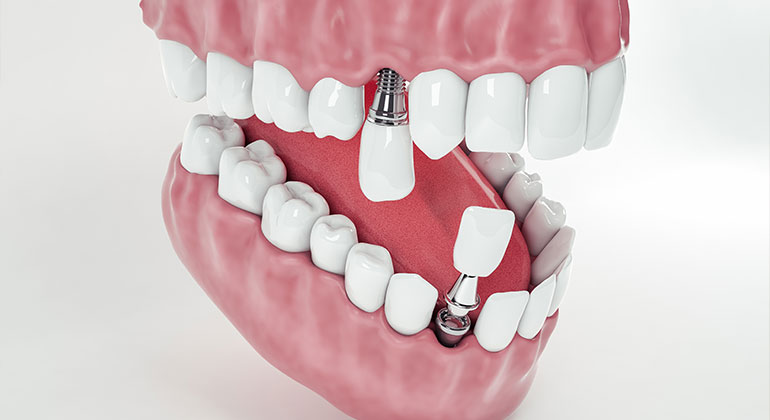
Principal Benefits of Dental Implants
A permanent remedy for tooth loss, dental implants have both practical and cosmetic advantages. They blend in with the jawbone, maintaining dental health and improving general quality of life in contrast to conventional dentures or bridges.-
A Natural Look and a Smooth Fit
-
Complete Recovery of Speaking and Chewing Skills
-
Preventing Bone Loss and Sagging of the Face
-
Stability and Long-Term Durability
-
Safeguarding Neighboring Teeth
-
Enhanced Self-Belief and Life Quality
-
Easy and Uncomplicated Upkeep
-
Over time, cost-effective